October 6, 2026Milford Mills Tile TeamMaintenance, Repair & Value7 min read
Grout Sealing Guide for Chester County PA Tile Floors
Share
Quick Summary Grout is porous, so unsealed lines absorb moisture, soap, and stains over time. A regular grout sealing schedule protects the appearance and durability of a tile floor, and most Chester County homes should plan to reseal every 1-2 years depending on traffic and moisture exposure.
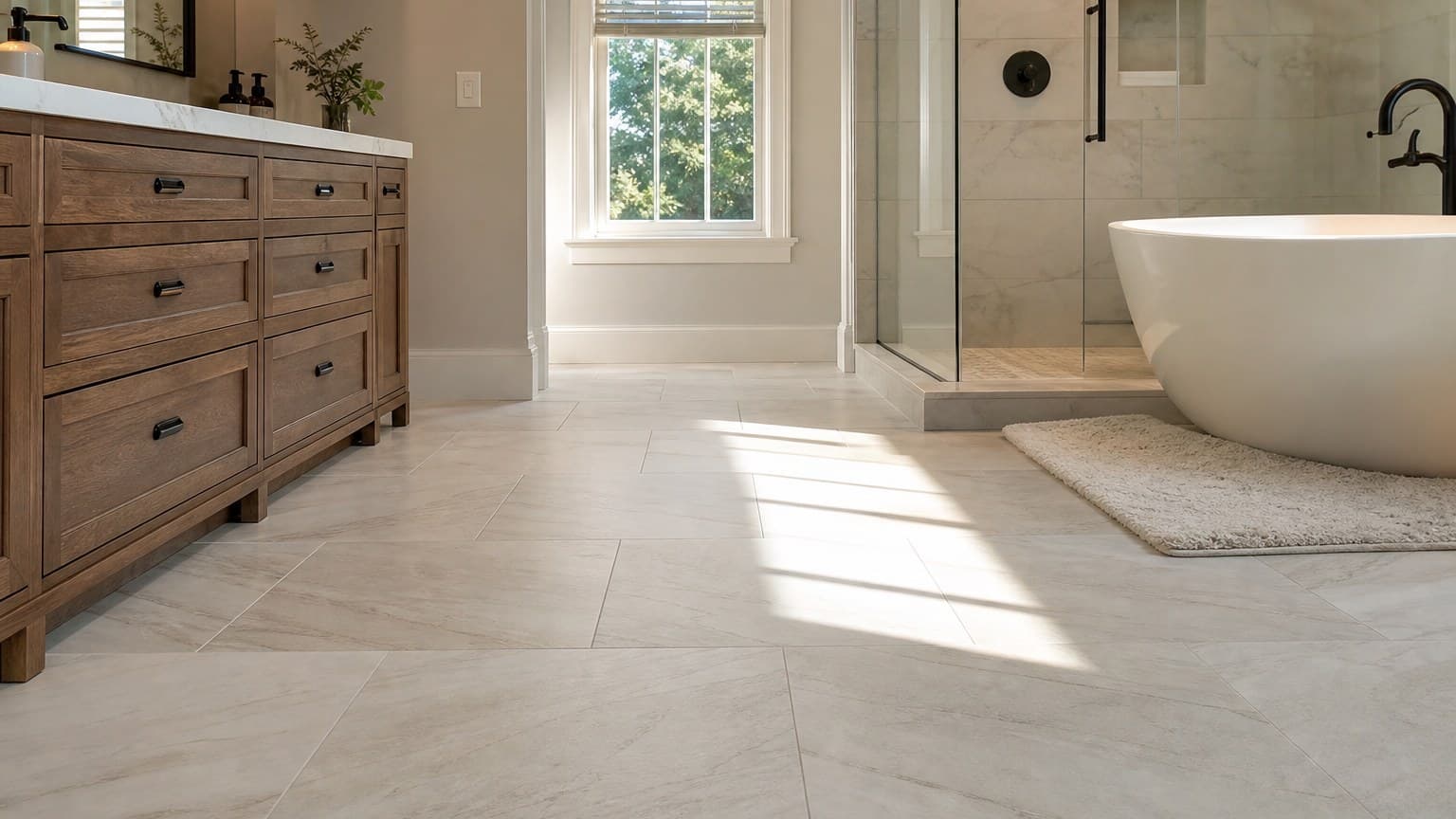
Grout sealing Chester County PA homeowners rely on is one of the simplest ways to protect a tile investment that already represents a significant portion of a kitchen, bathroom, or entryway budget. Grout is a cement-based material, and cement is naturally porous. Left unsealed, it absorbs water, oils, and everyday grime, which leads to staining, discoloration, and a floor that looks dingy well before the tile itself shows any wear.
Sealing does not change the look of the grout. A quality sealer sits in the pores of the material and creates a barrier that keeps liquids and dirt from soaking in, which makes routine cleaning far more effective. Milford Mills Tile builds sealing guidance into every professional tile installation project, because a floor is only as durable as the maintenance plan behind it.
Why Grout Sealing Protects the Value of a Chester County PA Tile Floor
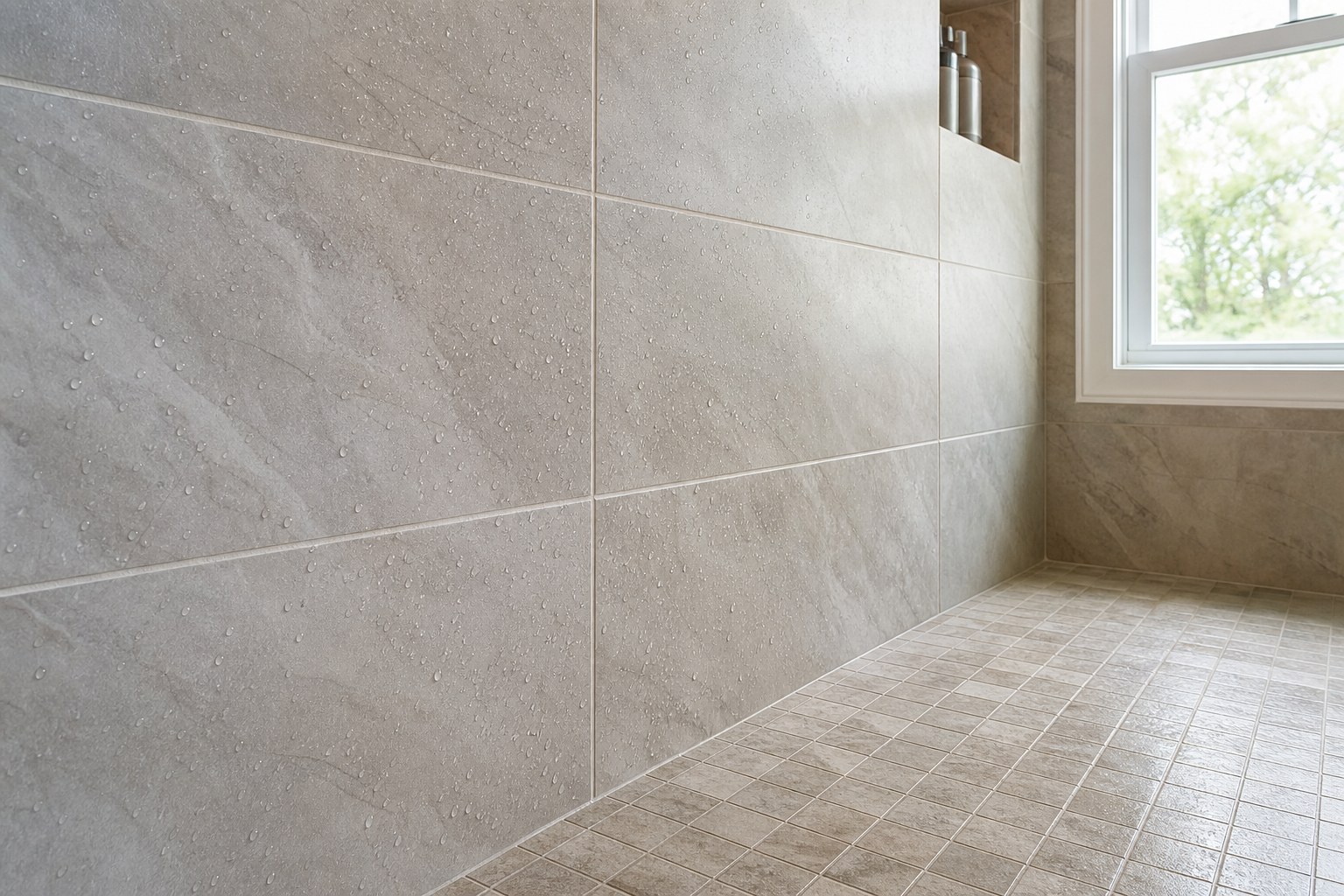
Tile itself is dense and largely non-porous, especially porcelain. Grout is the weak link. Without a sealer, grout lines absorb coffee, wine, cooking oil, and soap residue, and those stains become permanent far faster than most homeowners expect. In bathrooms, unsealed grout also absorbs moisture, which can encourage mildew growth along shower floors and walls.
A sealed grout line resists all of that. Spills bead on the surface instead of soaking in, giving a homeowner time to wipe them away before they set. Over years of ownership, that difference shows up directly in resale condition. A tile floor with consistently maintained, unstained grout reads as a well-kept home, while blotchy or discolored grout can make an otherwise beautiful installation look neglected.
Humidity swings in Chester County, Delaware County, and Montgomery County add another layer. Humid summers followed by dry heating seasons stress any cement-based material, and sealed grout holds up better against that seasonal cycle than grout left exposed.
How Often Chester County PA Homes Should Reseal Grout
There is no single universal timeline, because sealing frequency depends on the sealer type, grout type, and how much traffic or moisture a surface sees. As a general guide, most penetrating sealers on cement-based grout last 1-2 years in kitchens, entryways, and other moderate-traffic areas. Showers and tub surrounds, which face constant moisture, often need resealing closer to the 1-year mark.
Epoxy grout is the exception. It is far less porous than standard cement grout and generally does not require sealing at all. If a home has a mix of grout types from different projects over the years, it helps to know which rooms actually need the maintenance and which do not.
A simple water test gives a reliable signal between scheduled resealing. Drip a small amount of water onto a clean, dry grout line. If it beads on the surface, the seal is still doing its job. If the grout visibly darkens and absorbs the water within a minute or two, it is time to reseal.
100+ Five-Star Reviews
Get a Free Tile Quote
20+ years installing bathroom, kitchen, and custom tile across Chester, Delaware & Montgomery counties, PA.
What a Professional Grout Sealing Service Involves
Sealing is straightforward in concept, but the quality of the result depends heavily on preparation. Grout must be fully clean and completely dry before a sealer is applied, since sealing over soap scum, grime, or trapped moisture locks the problem in rather than solving it. Milford Mills Tile cleans and lets grout dry thoroughly before applying a penetrating sealer appropriate to the specific grout and location.
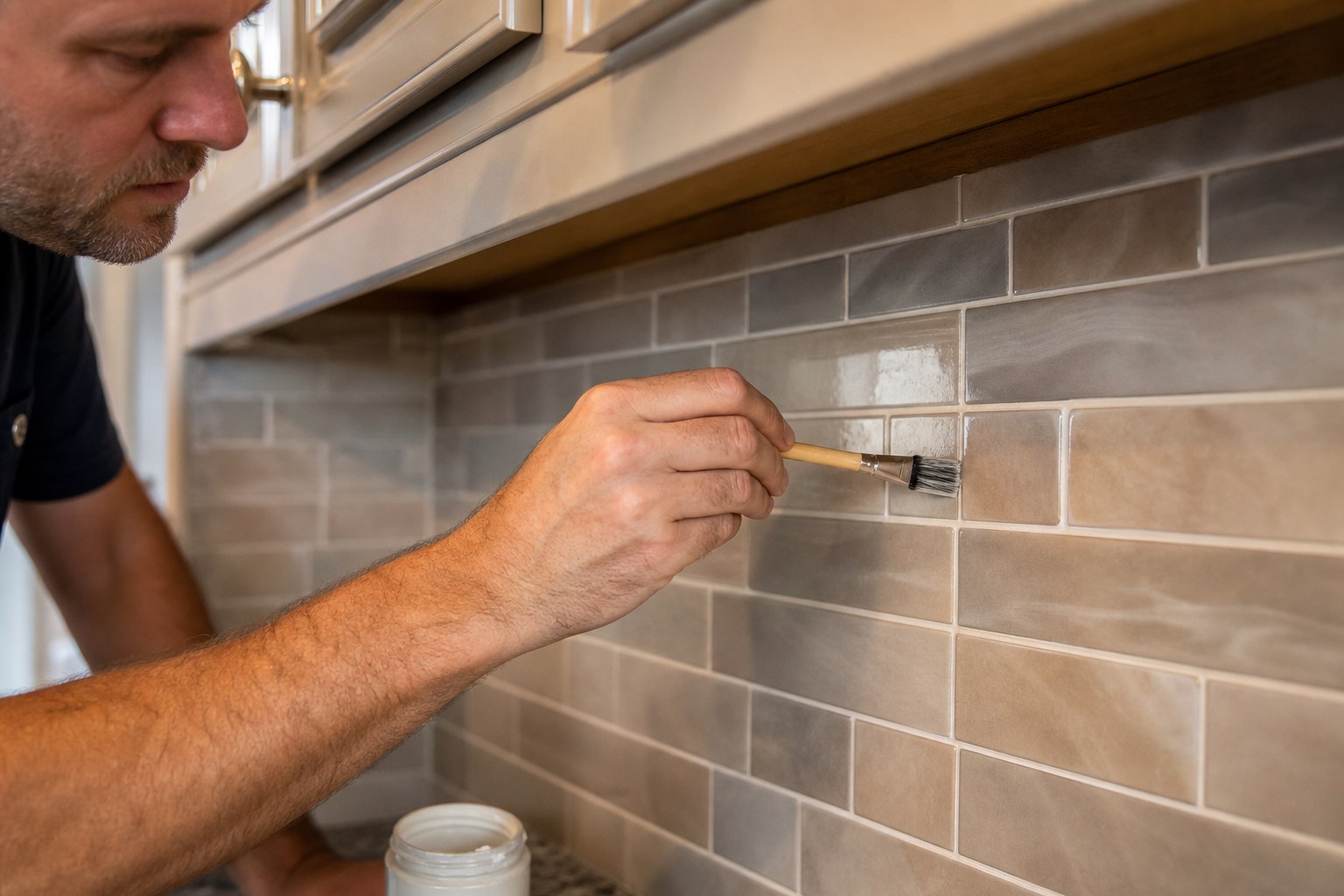
The sealer is applied along every grout line, allowed to penetrate, and any excess is wiped from the tile surface before it cures. Rushing this step or applying too much product can leave a hazy residue on the tile face, which is a common result of DIY sealing attempts. A professional application protects the grout without affecting the tile's appearance.
For homes dealing with grout that is already stained or deteriorating rather than simply due for maintenance, our tile repair and restoration guide covers when cleaning and resealing is enough and when regrouting is the better long-term fix.
Signs a Chester County PA Tile Floor Needs Resealing Now
A few warning signs point to grout that needs attention sooner rather than later. Grout that darkens quickly when wet, holds onto stains after normal cleaning, or has a chalky or rough texture has likely lost its protective barrier. Musty odors near a shower or tub surround can signal moisture getting past the grout, even without visible mold.
Discoloration that cleaning cannot remove is another signal that the grout has been absorbing moisture and residue for some time. In these cases, a deep clean followed by resealing often restores the appearance without the cost of a full regrout. Catching the issue early keeps a maintenance task from turning into a larger repair.
Our seasonal fall tile maintenance checklist includes a grout check as part of a broader walk-through, which is a useful habit for homeowners who want to stay ahead of these issues year to year.
Protecting the Investment Behind Every Tiled Room
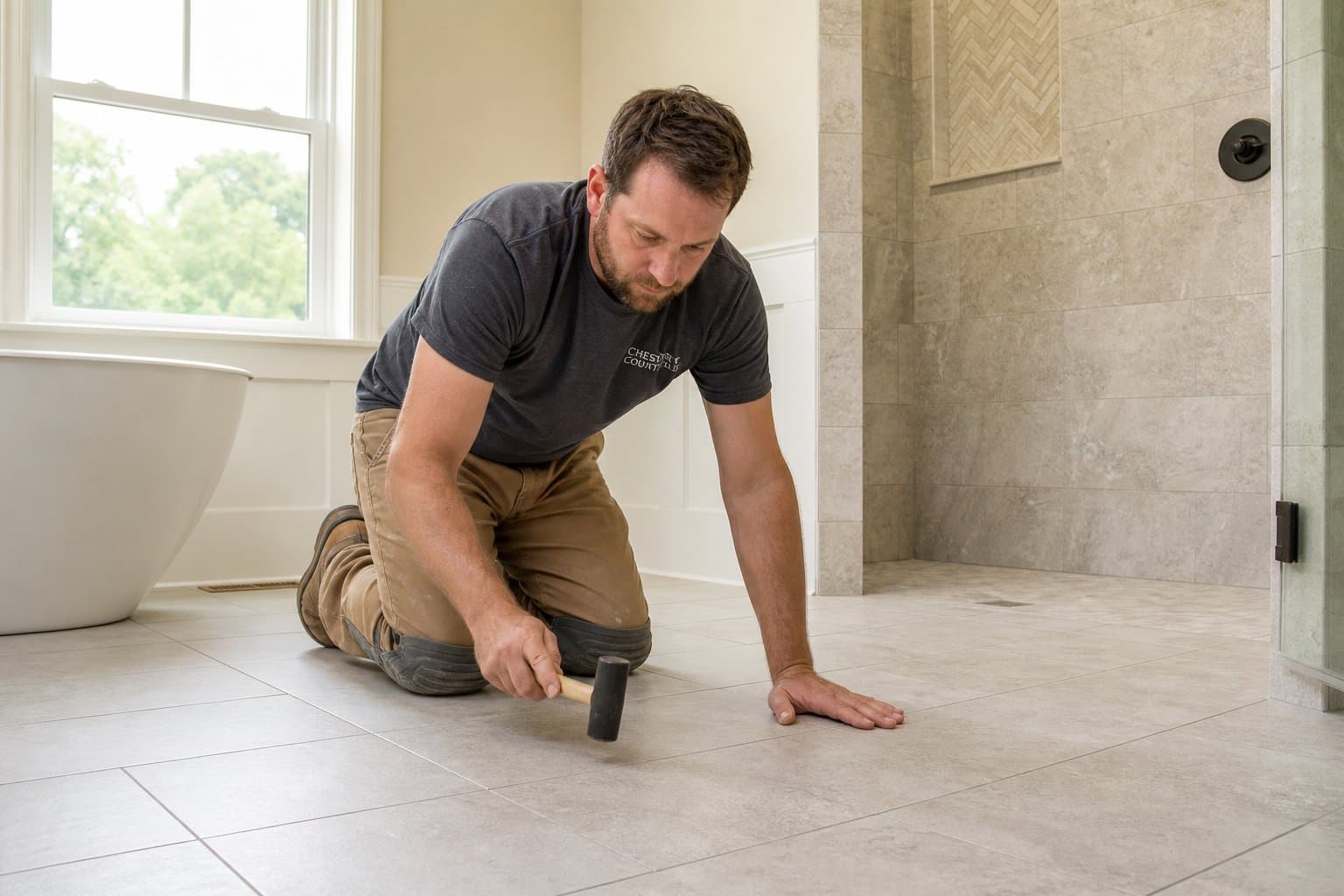
Tile installation is a durable, long-term investment, but grout is the part of the assembly that needs ongoing attention to match that durability. A consistent sealing schedule is inexpensive compared to the cost of regrouting a stained or deteriorated floor, and it keeps a kitchen, bathroom, or entryway looking like a recent installation for years longer.
Milford Mills Tile serves homeowners throughout Chester County, Delaware County, Montgomery County, and the Main Line with both new tile installation and the maintenance guidance that keeps it looking its best. If a grout sealing schedule has slipped or a floor is showing early warning signs, request a consultation to have the grout and overall installation evaluated.
Frequently Asked Questions
Does all grout need to be sealed?
Standard cement-based grout should be sealed because it is porous. Epoxy grout is much less porous and generally does not require sealing, though it is worth confirming with whoever installed it.
Can I seal grout myself?
Yes, but results depend heavily on proper cleaning and drying beforehand and careful application to avoid residue on the tile face. Many homeowners prefer a professional application for larger areas or showers where moisture exposure is higher.
How do I know if my grout is already sealed?
Drip a small amount of water onto a clean, dry grout line. If it beads on the surface, the seal is intact. If the grout darkens and absorbs the water quickly, it needs sealing.
Will sealing fix grout that is already stained?
Sealing protects clean grout going forward, but it will not remove existing stains. Deep cleaning or, in some cases, regrouting is needed first if staining has already set in.
Does grout sealing affect the color of my tile?
A properly applied sealer is designed to stay within the grout lines and should not change the tile's appearance. Excess sealer left on the tile surface can leave a haze, which is why careful application and wipe-down matter.
Questions? Call Us Directly
Serving Chester, Delaware & Montgomery counties, PA